

A Reason To Wake Up Every Morning
Before I left for Japan, I kept coming back to a word I’d read about but never truly felt: Ikigai. It’s a Japanese concept — difficult to translate cleanly, impossible to forget once it finds you. Simply put, it is your reason for being. The thing that makes waking up worthwhile.
Not everyone finds it right away. Sometimes it takes years. Sometimes it appears quietly through the things you love. The people you cherish. The work that gives meaning to your days.
Your Ikigai is not about wealth. Not about status. Not about perfection. It is the reason you keep moving forward. The reason life feels worth living. The reason you smile when a new day begins.
— Author unknown, shared widely
Japan didn’t just introduce me to this idea. It lived it — in every quiet street, every deliberate craft, every moment of unhurried grace. And it changed me more than I expected.
Japan Taught Me Something I Didn’t Know I Needed
I’ve traveled to a lot of places. Busy cities, remote villages, coastlines and mountain towns. But Japan did something different to me — it slowed me down and made me pay attention.
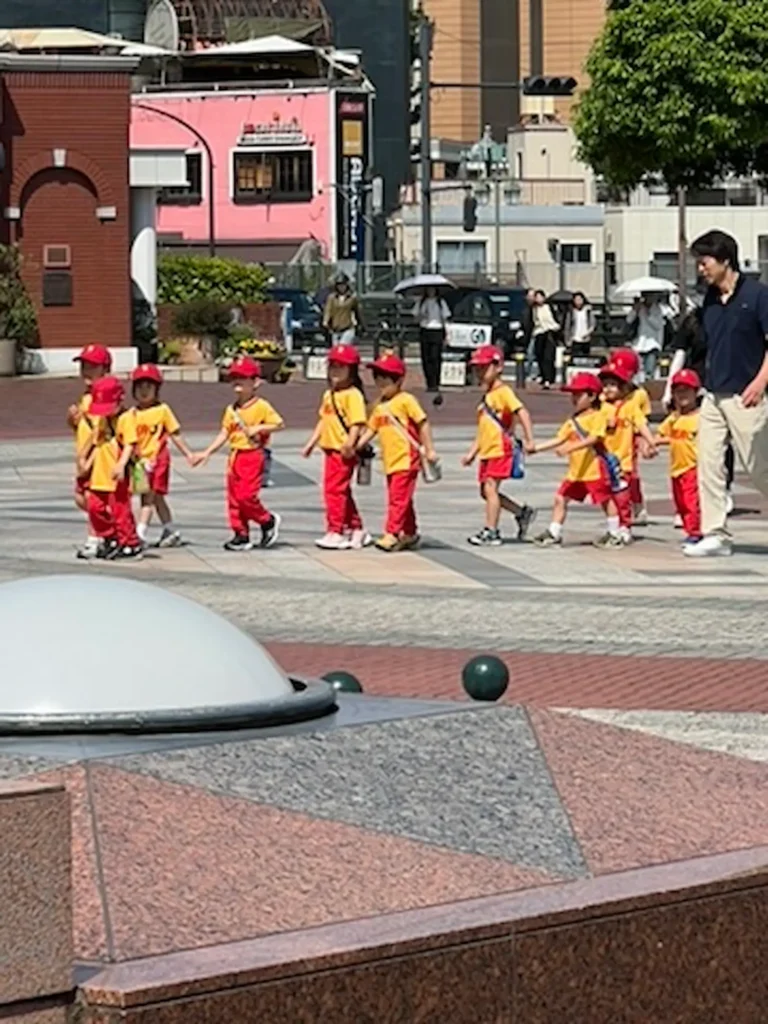
We moved through Tokyo, Kanazawa, and Kyoto over several weeks, and what stayed with me most wasn’t a single landmark or meal. It was the quiet, pervasive respect woven into every interaction, every street corner, every craft tradition. In Japan, the community always comes before the self — and once you feel it, you can’t unfeel it.
There’s a concept in Japanese culture that has stayed with me: the idea that every person holds three faces. One they show to the world. One they reveal only to family and close friends. And one — the most private, the most true — kept entirely for themselves. I found this idea beautiful, and oddly freeing. It gave shape to something I’d sensed but couldn’t name in the people we met along the way.
We Arrived Three Days Early — On Purpose
This was my first trip to Asia, and I couldn’t be more excited. My husband and I were joined by our 12-year-old grandson — his addition to the trip came together later in the planning process, which meant I had to do some creative hotel research. I needed two queen beds, enough room to actually open our suitcases, and a property worthy of the trip we’d been dreaming about. What I found exceeded everything I hoped for.
1 Hotel Tokyo — located in the vibrant Akasaka district — welcomed us before we even arrived. The team reached out in advance to understand our preferences, and from the moment we walked in, every detail had been considered. That’s the hallmark of true five-star, sustainable luxury hospitality, and 1 Hotel Tokyo delivers it without pretension.
Their indoor pool was exactly the respite we needed after a long travel day. Breakfast was included in our stay — abundant and thoughtful, with traditional Japanese fare alongside familiar American options — and no one left the table hungry. But honestly, what I remember most is the lounge, the atmosphere, and the music. The music. It spoke to us in a way that’s hard to explain. We enjoyed every single moment at 1 Hotel Tokyo.
And a practical note for fellow travelers: when booking three nights, one was complimentary. Worth knowing.
A Word About the Toilets
I know. Bear with me. But if you are going to Japan for the first time, nothing — and I mean nothing — prepares you for the toilets.
Every hotel, restaurant, museum, and shrine we visited had some version of a TOTO or Panasonic washlet: a warm seat that greets you, a bidet, an air dryer, and — my personal favorite detail — a lid that opens and closes automatically when you walk into the bathroom. It is not a gimmick. It is a way of life. And after two weeks, returning home felt like a step backward in civilizational progress.
Japan takes care of its people in the smallest, most thoughtful ways. Even in the bathroom. Especially in the bathroom.
First Night in Tokyo: The Dish That Moved
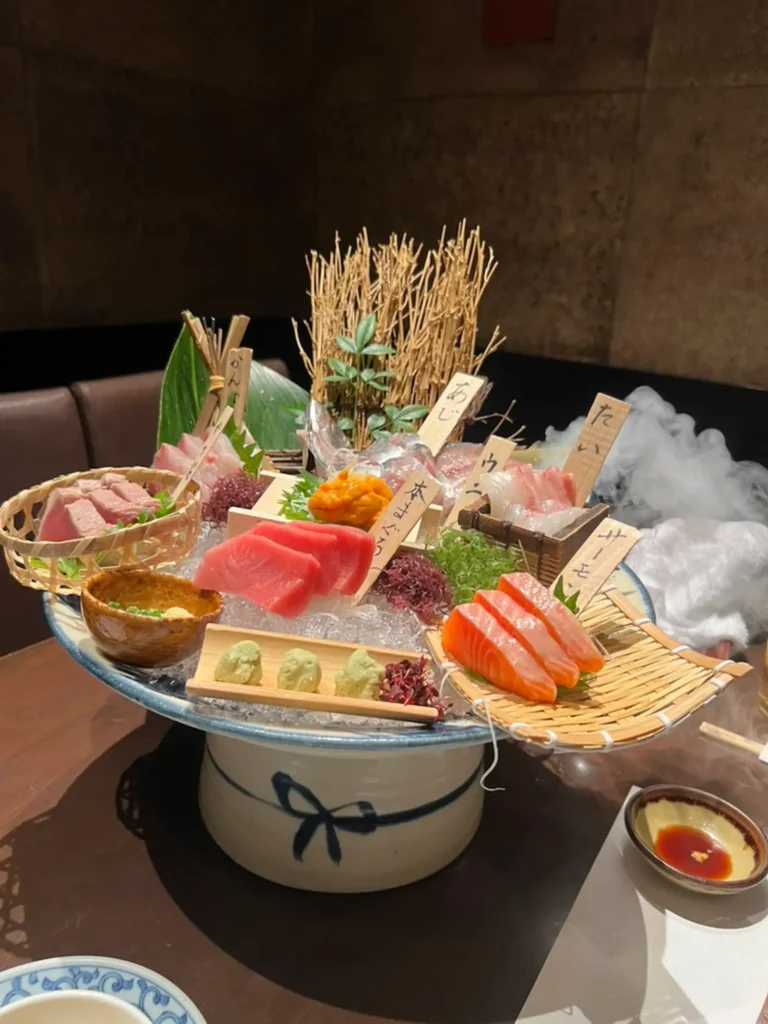
We had just arrived. Bags barely down, jet lag setting in — and yet somehow, wandering off the main street on our own that first evening, the three of us stumbled down a staircase and into one of the best discoveries of the entire trip.
Izakaya Sanzoku is the kind of place that doesn’t announce itself. It’s tucked below street level, cozy and buzzy and authentically local, opens at 4 p.m. daily, and is as budget-friendly as it is wonderful. No tour guide led us there. No app flagged it. We just went down the stairs.
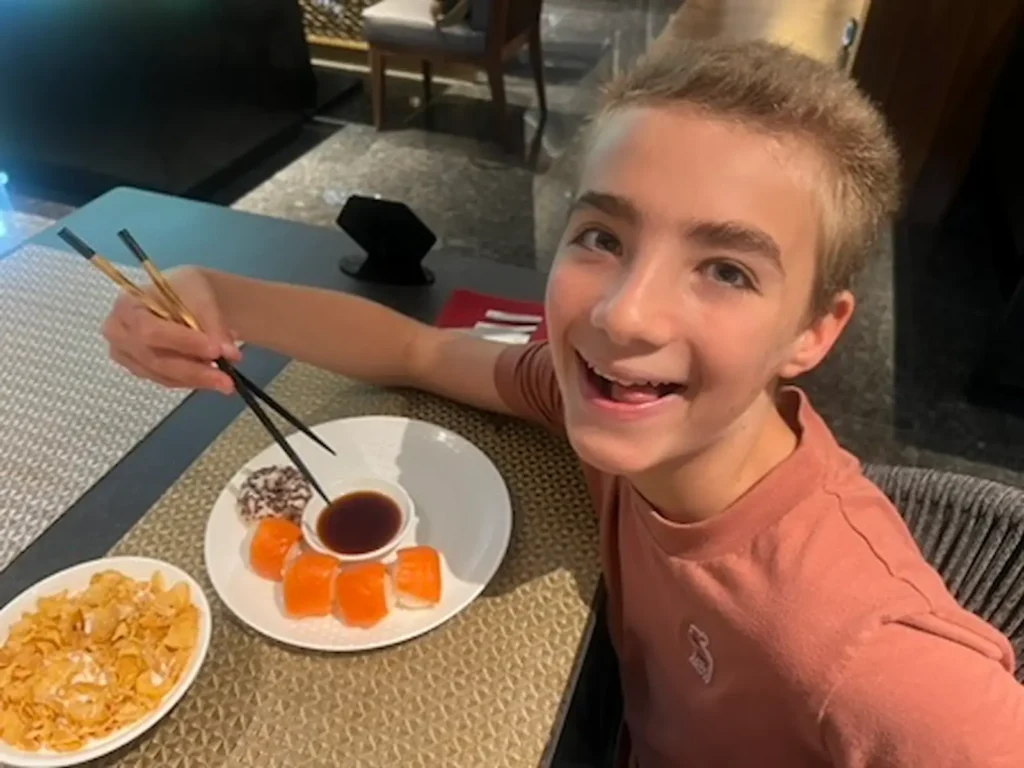
The chef has a particular gift with children — our grandson was looked after and delighted from the moment we sat down, and that matters more than any Michelin star when you’re traveling with a 12-year-old.
We ordered udon noodles with pork. When the bowl arrived, something on top was moving. We were jet-lagged, disoriented, and entirely convinced we were imagining it. We were not. They were bonito flakes — thin, paper-light shavings of dried fish that dance and wave in the steam rising from a hot dish. It is one of the most startling and delightful things I have ever seen at a dinner table. Only in Japan would something so simple be so quietly theatrical.
A true hidden gem. Go down the stairs. Order the udon.
Into Tokyo: Day One with Joe
The next morning, we made one of the best decisions of the entire trip: a private Get Your Guide experience with our guide, Joe. He met us and took us first to the Meiji Shrine — a breathtaking forested sanctuary in the heart of the city, where the noise of Tokyo simply disappears. It set the tone for everything that followed.
From there, Joe walked us through different neighborhoods and slices of Tokyo life. We sat down together for ramen near Shibuya Crossing — a perfect, unpretentious meal in one of the most electric corners of the city. Tokyo through Joe’s eyes was warmer, more layered, and more human than any guidebook version.
He also took us to Takeshita Street in Harajuku — famous for its over-the-top sweets, crepes, and candy of every imaginable variety. It is pure sensory overload in the best possible way. And tucked right in among the sugar and color were animal cafes — a concept entirely unique to Japan, where you can sit and spend time with cats, birds, hedgehogs, pigs and more.
Into Tokyo: The Days That Followed
Our small group tour kicked off in Shinagawa-ku, and from that first morning, Japan continued to deliver.
Shunkaen Bonsai Museum
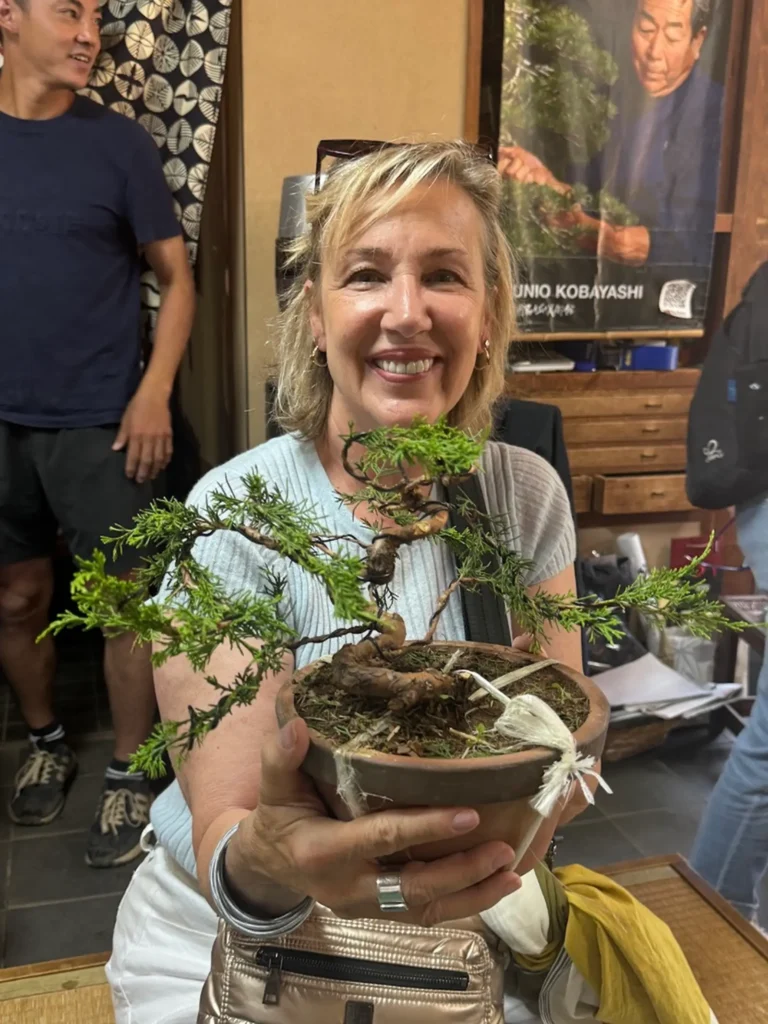
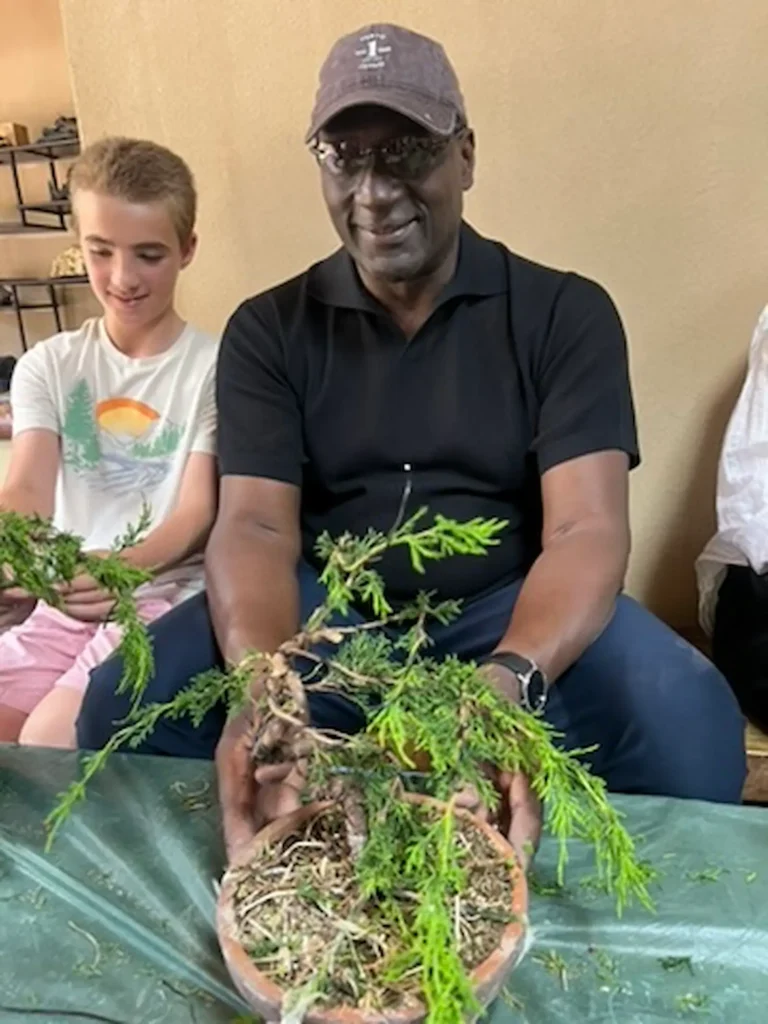
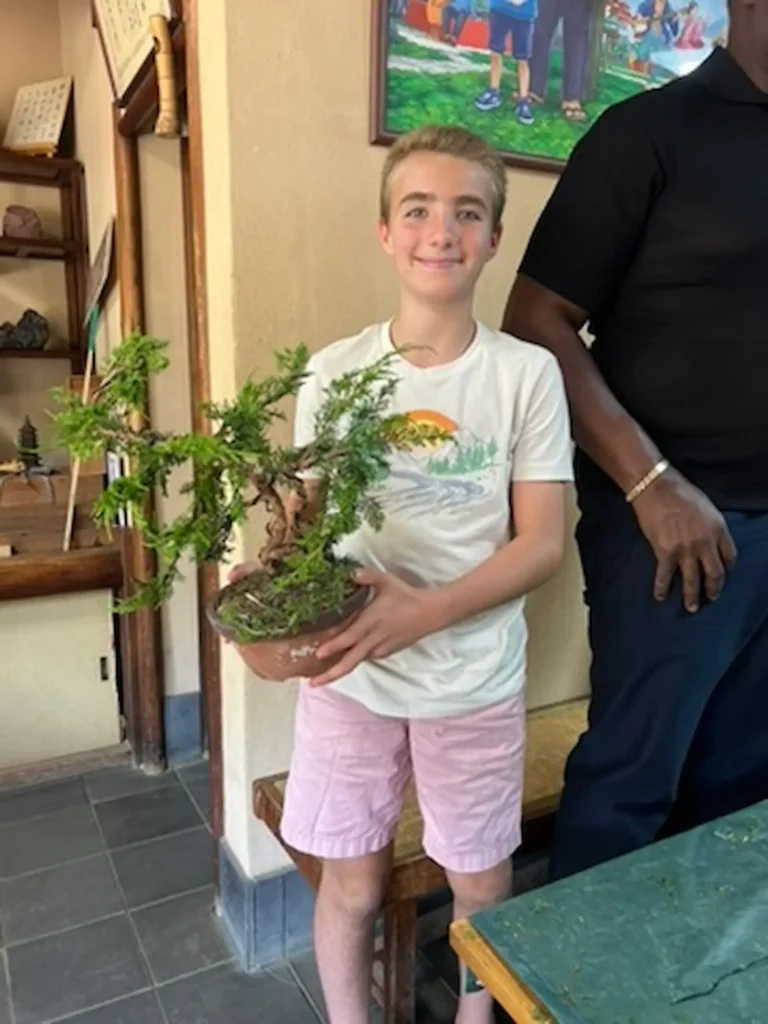
We began with an immersive bonsai experience at the Shunkaen Bonsai Museum — and I say “immersive” because no other word does it justice. We learned how to wire a miniature tree into form, guiding something small and living into a shape that takes patience, intention, and a very still hand. It was one of the most meditative, surprisingly emotional experiences I’ve had in years.
What I didn’t expect was what happened beside me. In more than 20 years of marriage, I had never once seen my husband do a craft. Not once. And there he was — focused, patient, completely absorbed — doing something extraordinary with his hands. Our grandson, 12 years old, was equally lost in it, with the kind of total concentration you rarely see in a child today. Three generations. Three very different people. All of us finding our own quiet version of Ikigai in that room. Age didn’t matter. Background didn’t matter. That moment was for all of us.
Afterward, we walked through the museum’s serene gardens and let the quiet settle around us. That kind of quiet is rare. Japan offers it generously.
Ginza: More Than Meets the Eye
That evening, we made our way to Ginza for a late afternoon wander and a lunch that — looking back — was one of the meal highlights of our entire two weeks. I’d always thought of Ginza as purely high-end retail, the kind of neighborhood where you admire and move on. But I was wrong.
My husband — 6’2″ and perpetually challenged by fit — found not one but two clothing pieces from a brand called Tatras, a Japanese label rooted in an unexpected blend of Italian and Japanese design sensibility. We were delighted. That discovery alone reframed how I’ll approach Ginza on every future visit.
Daikanyama: Tokyo’s Quieter, Cooler Side
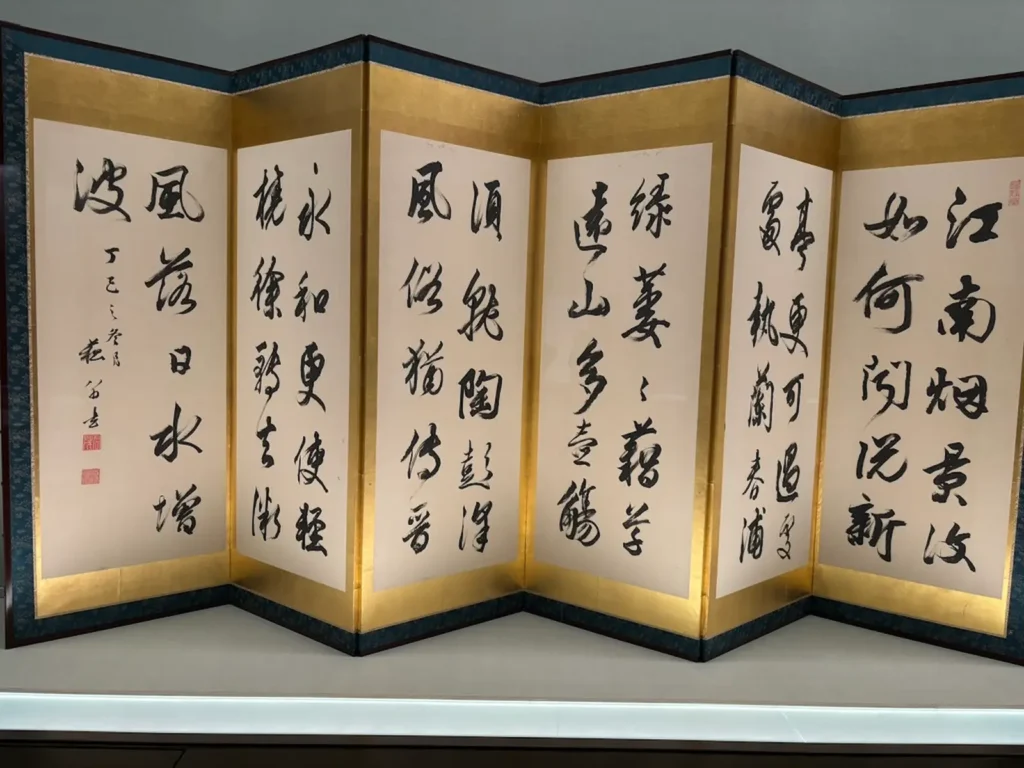
I also had the chance to explore Daikanyamacho, just one train stop south of Shibuya — and it’s a neighborhood I’d return to in a heartbeat. Think embassies, design shops, a celebrated multi-building bookstore, and backstreet boutiques that reward slow walking. Chic without trying. Laid-back without being sleepy.
Ebisu: So Much More Than I Expected
Ebisu surprised me in the best possible way — and I am already planning my return. Beneath the neighborhood lies an underground market that deserves an afternoon of its own: fresh foods, kitchen items, clothing, and restaurants tucked away in a way that feels like a local secret. The kind of place you stumble into and don’t want to leave.
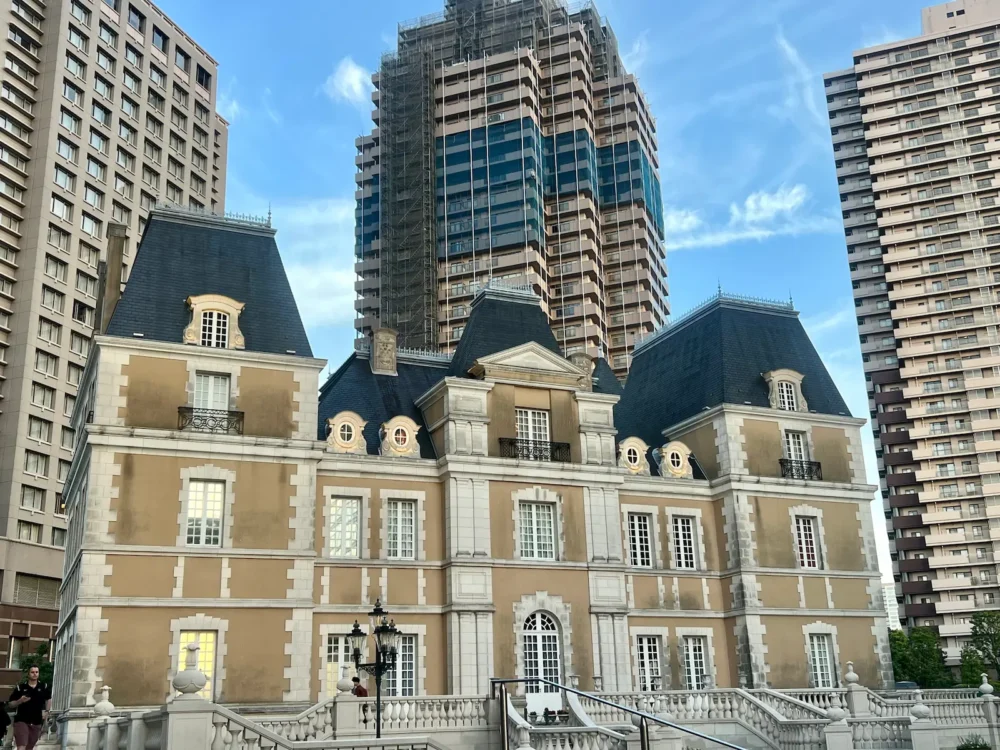
And then there is Joël Robuchon. Even if you don’t dine there — we didn’t — you need to see it. Tucked into Ebisu Garden Place, the restaurant sits inside a striking replica of an 18th-century French château. Three Michelin stars. In Tokyo. Inside a château. It stopped us completely, and it belongs on every Ebisu itinerary simply as a moment of architectural wonder.
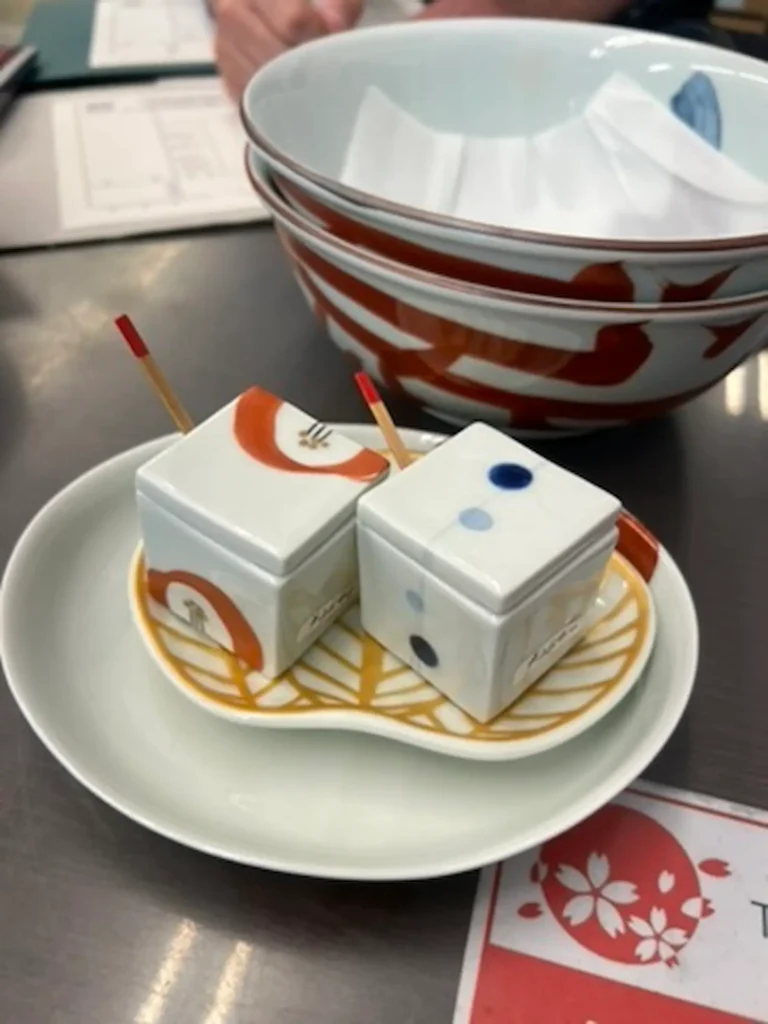
We walked from there to a wonderful ceramic shop, and several pieces made their way back home via shipping, because carrying fragile pottery through two more weeks of travel was simply not part of the plan. Some things are absolutely worth the shipping cost. I’m going back to Ebisu. That’s a promise.

Hands, Craft, and the Things That Stay With You
Throughout our time in Japan, we returned again and again to making things by hand. There is something about the act of creating — slowly, deliberately, with full attention — that feels almost radical in a world that never stops moving.
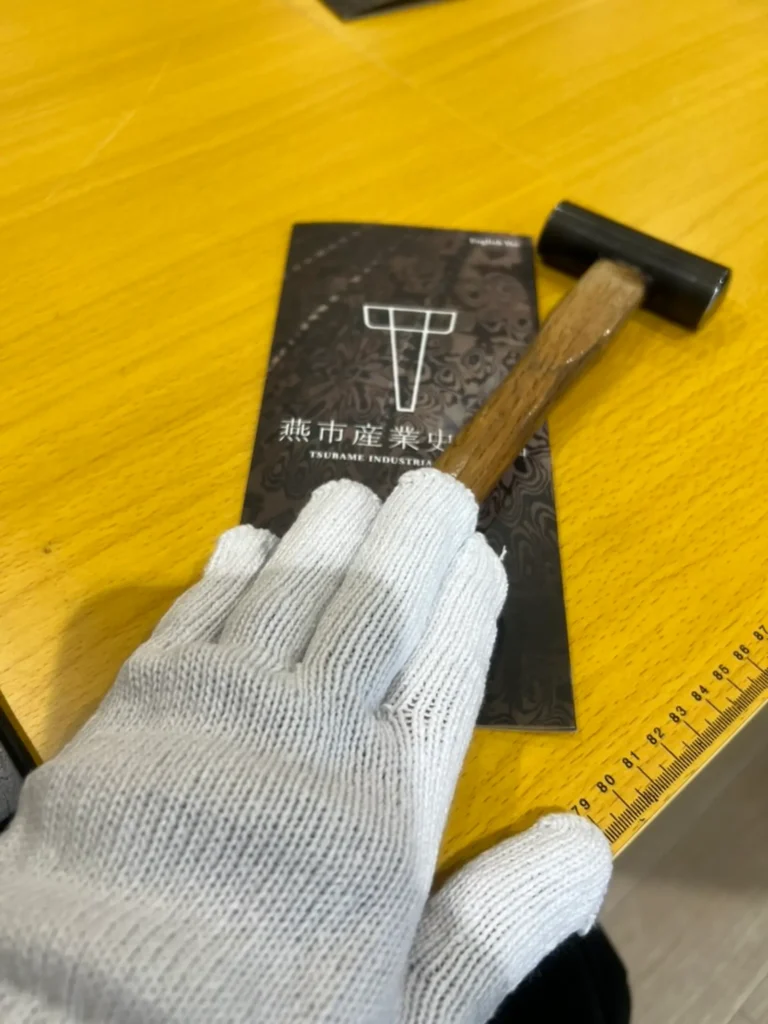
In Tsubame — a small, rural region celebrated for its extraordinary metalwork — we hammered our own copper cups and watched knife makers at work with a precision that bordered on sacred. Tsubame is a chapter entirely unto itself, and I’m saving it for the next post. It may be the most quietly remarkable place I’ve ever visited.
In Kyoto, we dipped our hands into centuries of tradition through an indigo dyeing workshop, leaving with something uniquely our own: a hand-dyed banner, shirt, or carry bag, each piece one of a kind in the way only a handmade thing can be.
These weren’t tourist activities. They were invitations into a way of seeing the world — where patience is craft, and craft is devotion.
What I Brought Home (Beyond the Ceramics)
Japan has a way of finding you at the shop, the artisan studio, the quiet corner of a market you weren’t expecting. I’ve been curating my favorite finds from the entire trip — things I brought home, things I’ve been searching for since, things I keep thinking about.
Browse the collection here: Japan Brought Home — Shop the Collection
What’s Coming Next
Tokyo was the beginning. Our journey continued to Tsubame — a small, rural city with an outsized soul and a metalworking tradition unlike anything I’ve ever encountered. That story is coming soon, and I think it may be my favorite chapter of this trip.
Arigatou gozaimashita.
Freedom Always Blog celebrates slow travel, artisan culture, and the hidden gems that make a journey unforgettable. If this post resonated with you, share it with someone who needs a reason to book that flight.
Marie Leiter is the voice behind Freedom Always Blog — a slow traveler with a passion for hidden gems, authentic experiences, and life well-lived between two coasts.
One thought on “First-Time in Japan: What Tokyo Taught Me About Ikigai”
Beautifully written and enlightening. Loved the insights and photos. All which gives you a great glimpse into Japan’s culture and beauty.